Agios KonstantinosMenemen Protestant Church
Menemen, Izmir, TürkiyeFaith, history and a living community

Tradition, memory and story

Stories of Faith in Anatolia

Christian stories connected with Anatolia, from early church records and apocryphal texts to legends shaped over centuries.

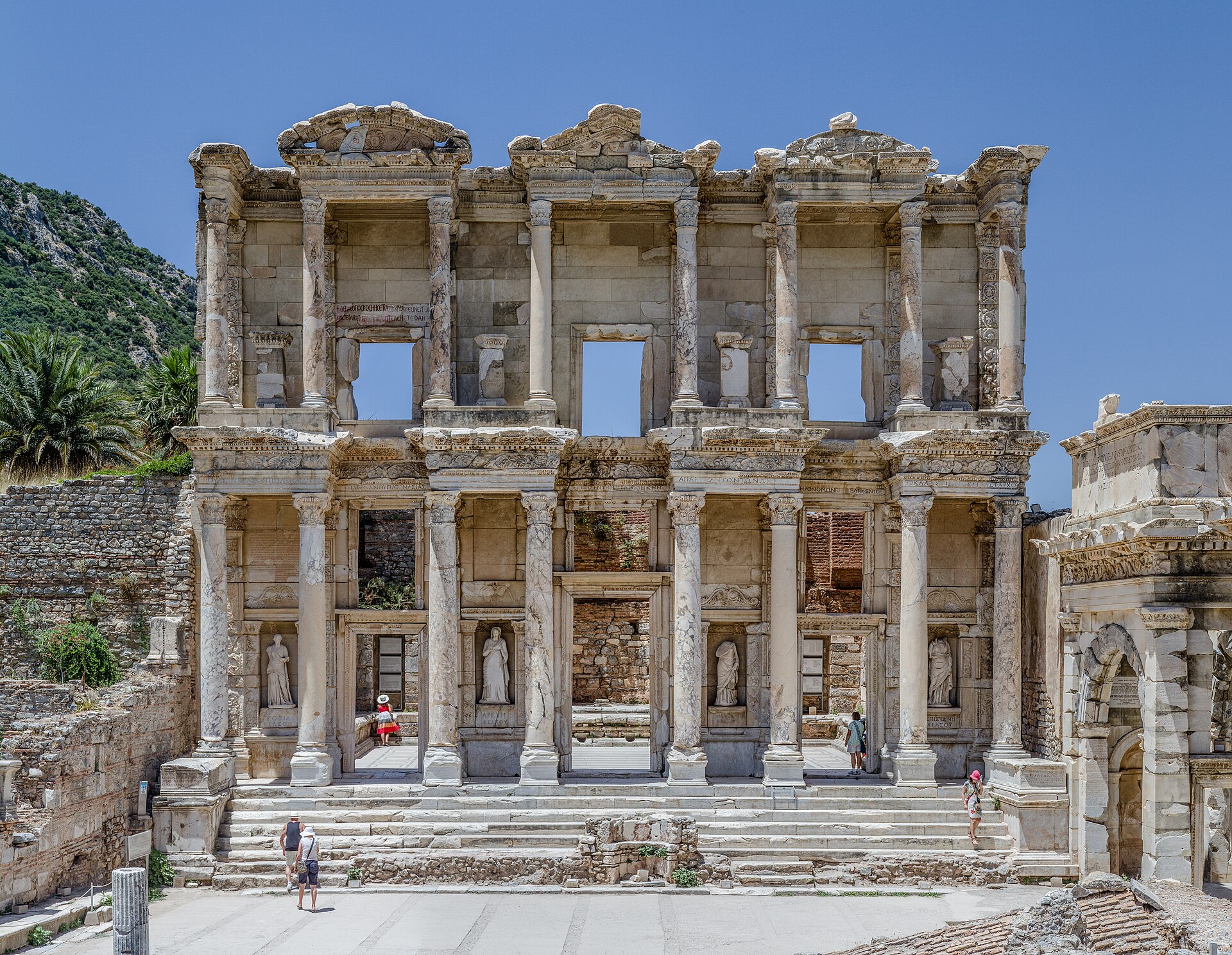
Ephesus, Türkiye

Reading with the source in view

Not every story rests on the same kind of evidence.

Some accounts on this page are tied to historical figures and early church records, others to apocryphal writings or traditions that developed later. We do not present them with equal historical certainty. Each story is clearly identified so that its place in Anatolia’s Christian memory can be understood honestly.

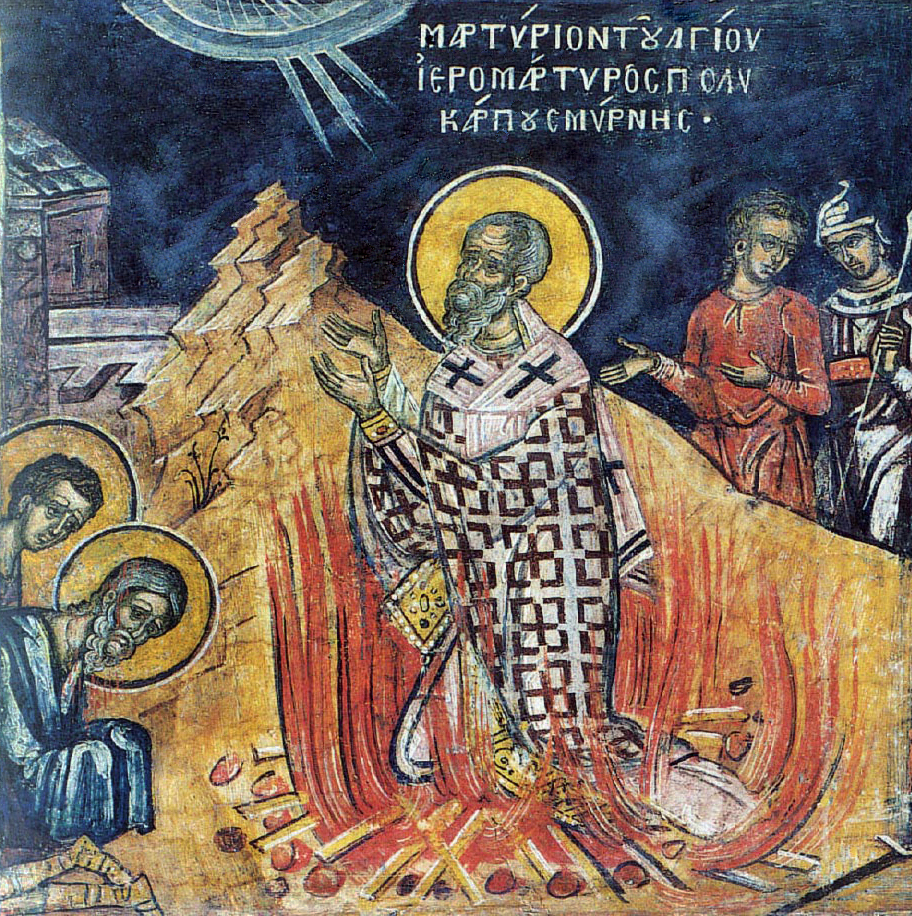
Polycarp’s final witness01
Early church record

Polycarp’s final witness

Polycarp, the elderly leader of the church in Smyrna, was ordered by Roman authorities to deny Christ and refused. He chose martyrdom rather than turn away from the Lord he had served for many years. The account written by the church in Smyrna became one of the earliest martyrdom narratives outside the New Testament, and his faithfulness has been remembered for generations.

Read the full story Image: Octave 444 · CC BY-SA 4.0
Mary and Ephesus02
Church tradition

Mary and Ephesus

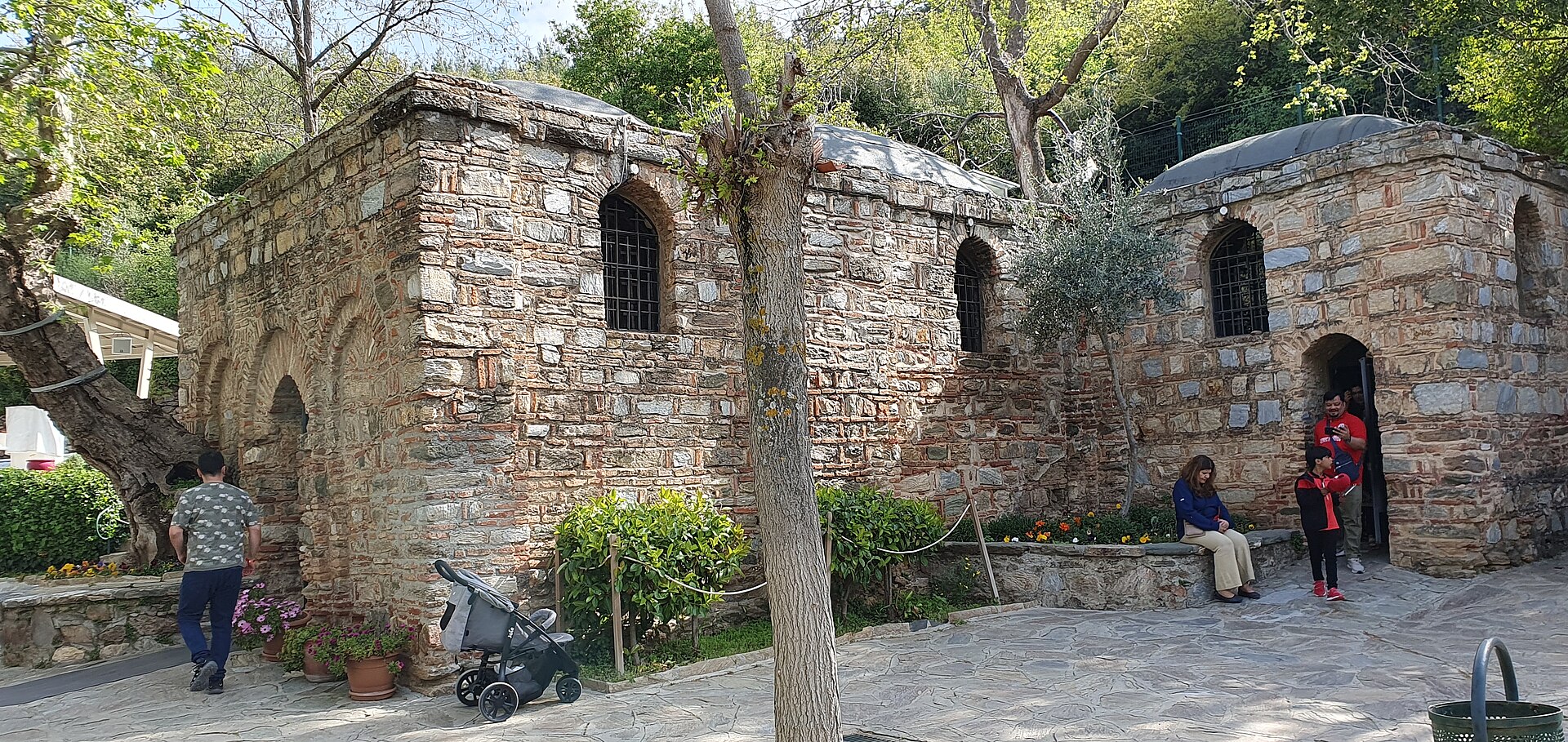
The Bible does not explicitly say that Mary lived in Ephesus. The belief grew from Jesus entrusting his mother to the beloved disciple at the cross and the church tradition that John spent his final years in Ephesus. The House of the Virgin Mary near Selçuk is now a place of prayer and remembrance linked with this tradition. It is presented here not as historical certainty, but as a faith memory carried with reverence through the centuries.

Read the full story Image: Yair Haklai · CC BY-SA 4.0
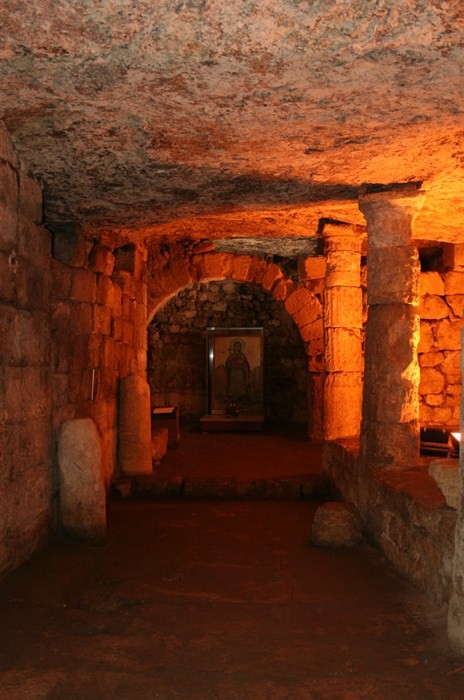
The Seven Sleepers of Ephesus03
Early Christian tradition

The Seven Sleepers of Ephesus

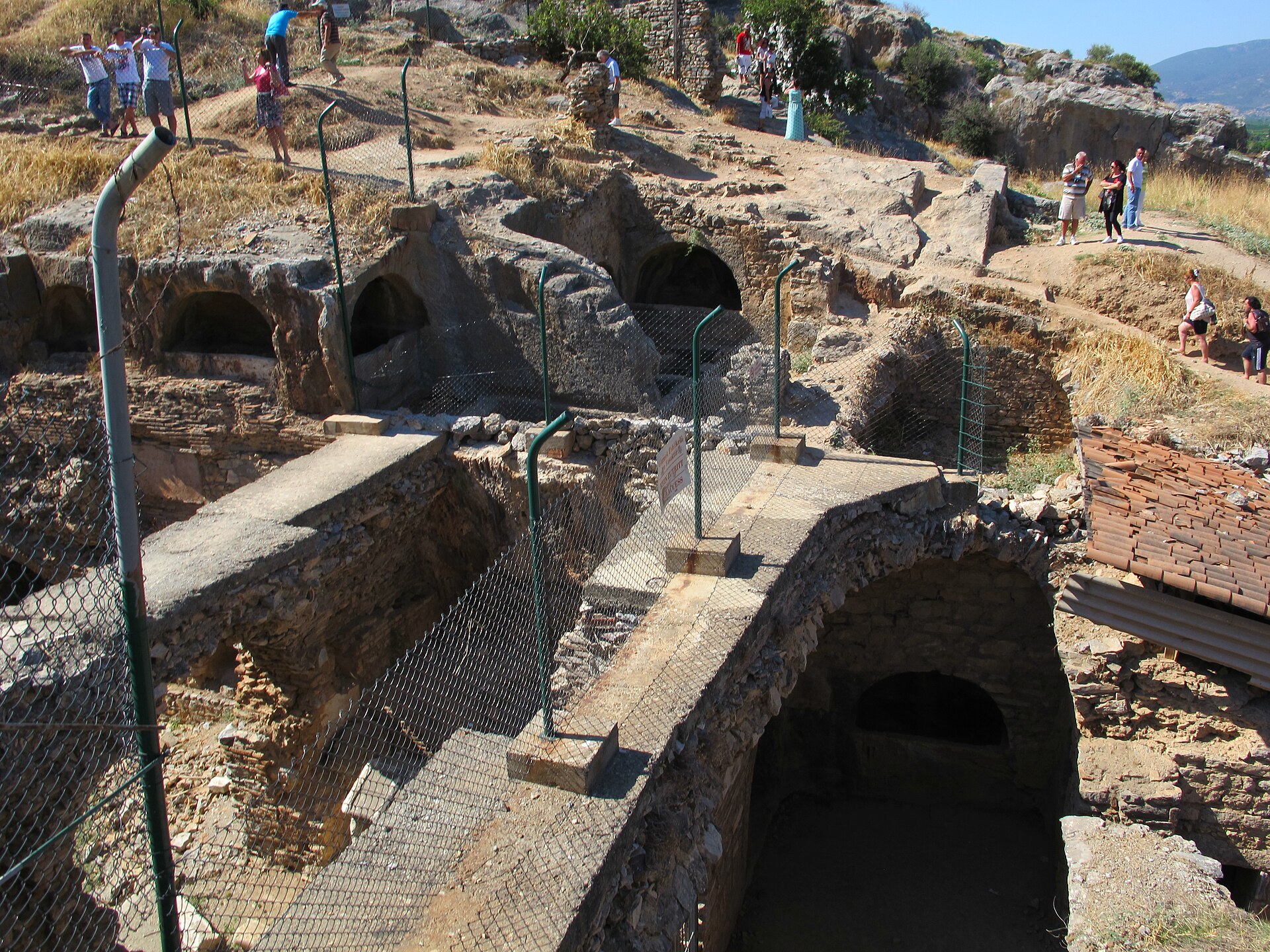
Tradition tells of seven young Christians who refused to worship idols during the reign of Emperor Decius and took refuge in a cave near Ephesus. They awoke after a long sleep to find that the age of persecution had passed. The story became a sign of hope in bodily resurrection and God’s power over death. It is not found in the Bible and also lives in Islamic tradition as the Companions of the Cave.

Read the full story Image: Sailko · CC BY-SA 3.0
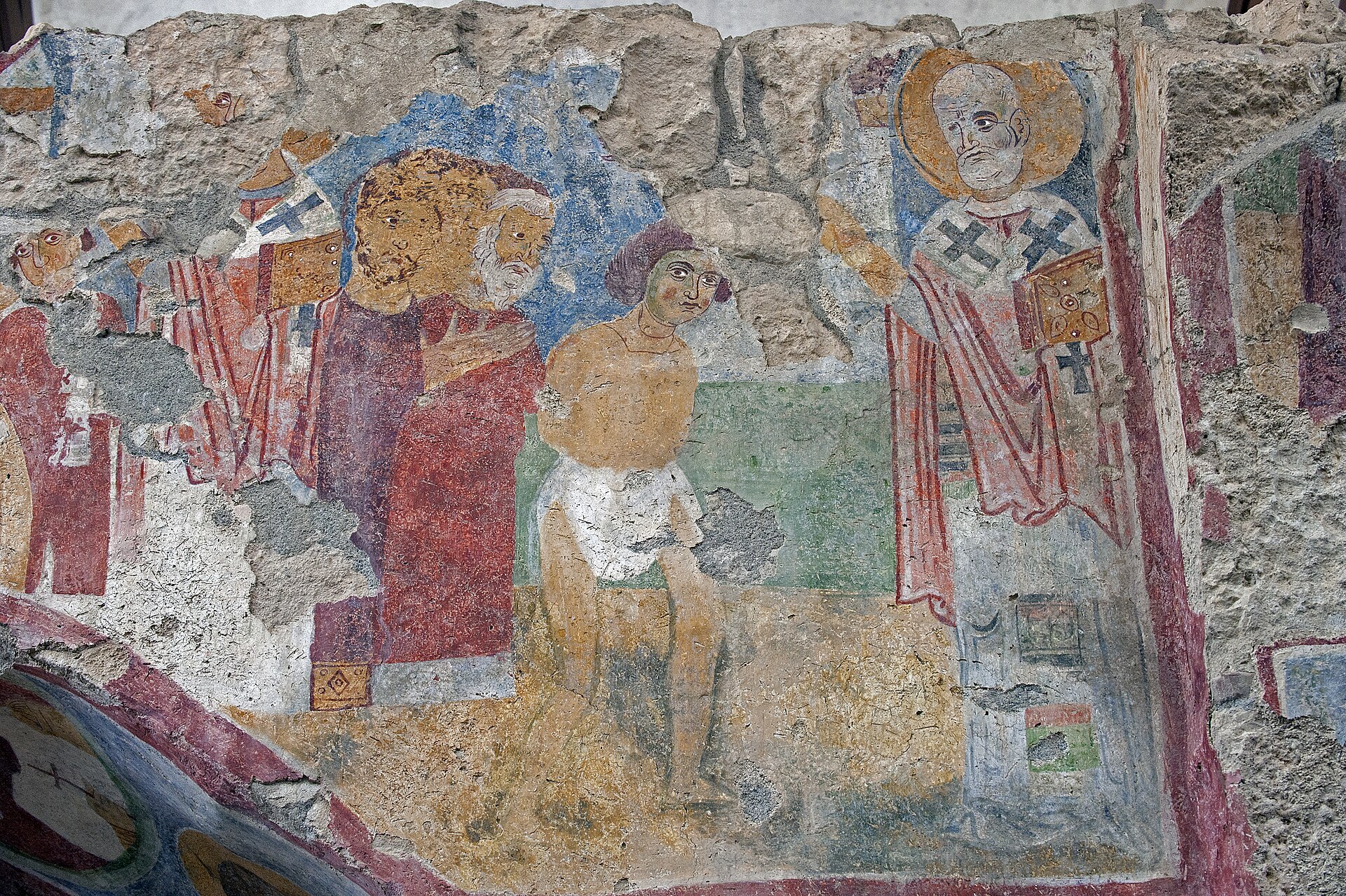
From Nicholas of Myra to Santa Claus04
Historical figure and later stories

From Nicholas of Myra to Santa Claus

Nicholas is believed to have been born in Patara and to have led the church in Myra. Church tradition remembers him giving his inheritance to the poor and helping families in distress without revealing his identity. Stories of gifts left secretly at night travelled through many cultures and gradually shaped the modern image of Santa Claus. Quiet generosity remains at the heart of the colourful tradition.

Read the full story Image: Dosseman · CC BY-SA 4.0
The path of Saint Thecla05
Early Christian apocryphal story

The path of Saint Thecla

The apocryphal Acts of Paul and Thecla tells of a young woman from Iconium who devoted her life to Christ after hearing Paul’s teaching. It describes her miraculous escapes from fire and wild beasts and her later life of prayer and ministry near Silifke. The text is not part of the New Testament, yet Thecla became a powerful early Christian symbol of courage and devotion, and Ayatekla grew into an important pilgrimage centre.

Read the full story Image: Bocachete · Public domain
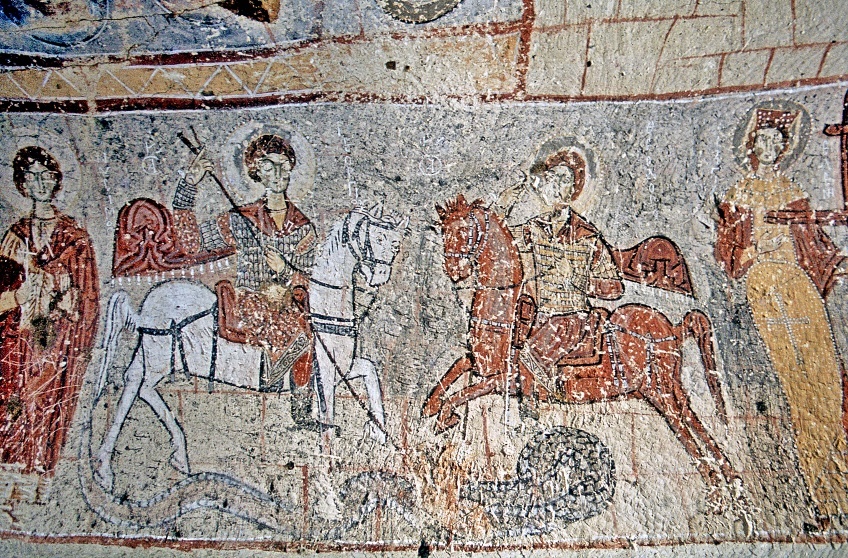
George of Cappadocia and the dragon06
Historical saint and medieval legend

George of Cappadocia and the dragon

George is remembered as a Christian soldier who refused to abandon his faith and was martyred; some traditions associate him with Cappadocia. The story of his battle with a dragon developed much later in the Middle Ages. It should be read not as a historical event, but as a symbol of faith and courage confronting evil.

Read the full story Image: Unknown artist · Public domain
The Apostle Philip and Hierapolis07
Early church testimony and archaeology

The Apostle Philip and Hierapolis

Early church testimony places the Apostle Philip in Hierapolis, where he preached and died. The monumental martyrium built in his name and remains associated with his tomb show how strongly the tradition endured. Details of his death vary between accounts, but Hierapolis remains one of the principal Christian centres linked with Philip’s memory.

Read the full story Image: Carole Raddato · CC BY-SA 2.0

Stories do more than decorate the past.

When read with their sources clearly identified, these accounts reveal how Christians in Anatolia understood fear, faithfulness, generosity, resurrection hope and service. Distinguishing history from tradition does not diminish the stories. It allows us to hear them more honestly and meaningfully.

Anatolia in the Bible