The biblical starting point is the foot of the cross. Jesus asks his mother to receive the beloved disciple as her son, and the disciple to receive Mary as his mother. John 19:26–27 does not say where Mary later lived, yet the disciple’s act of taking her into his own home became a powerful scene of trust upon which Christian tradition continued to reflect.
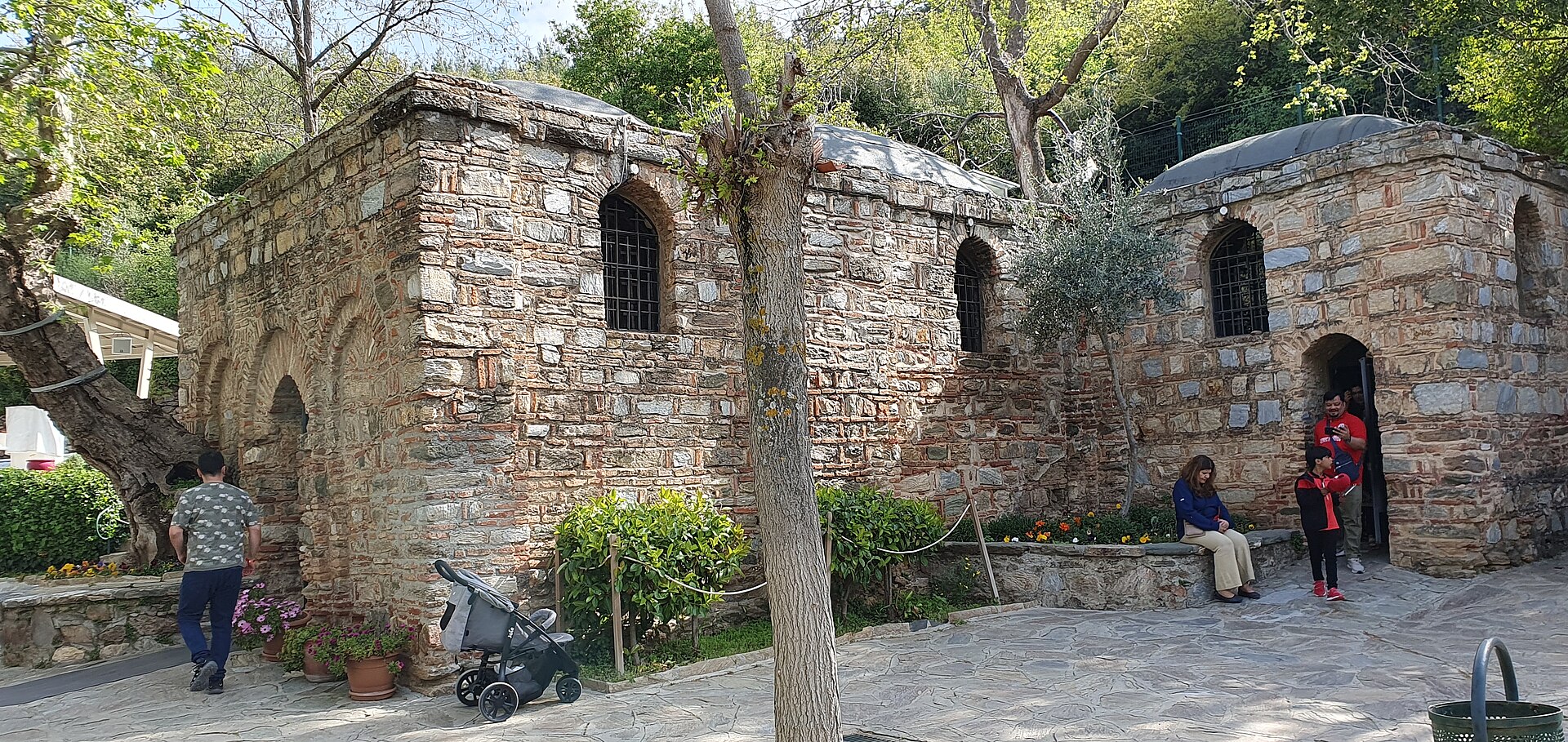
The connection with Ephesus grows from the ancient church memory that John spent his later years in the city. Some Christian traditions therefore hold that Mary came with him to the region. The small stone building near Selçuk now known as the House of the Virgin Mary drew renewed attention in the nineteenth century and became a Catholic pilgrimage site. There is, however, no unbroken first-century document identifying the building as Mary’s home.
Ephesus has another, firmly historical Marian importance. The Council of Ephesus in AD 431 affirmed the title Theotokos, God-bearer, in the church’s debate about the identity of Christ. Preaching near the shrine in 2006, Pope Benedict XVI brought together that council, the scene at the cross and the city’s living prayer. The site is best approached as a place where documented church history and a revered Catholic tradition meet without being confused.